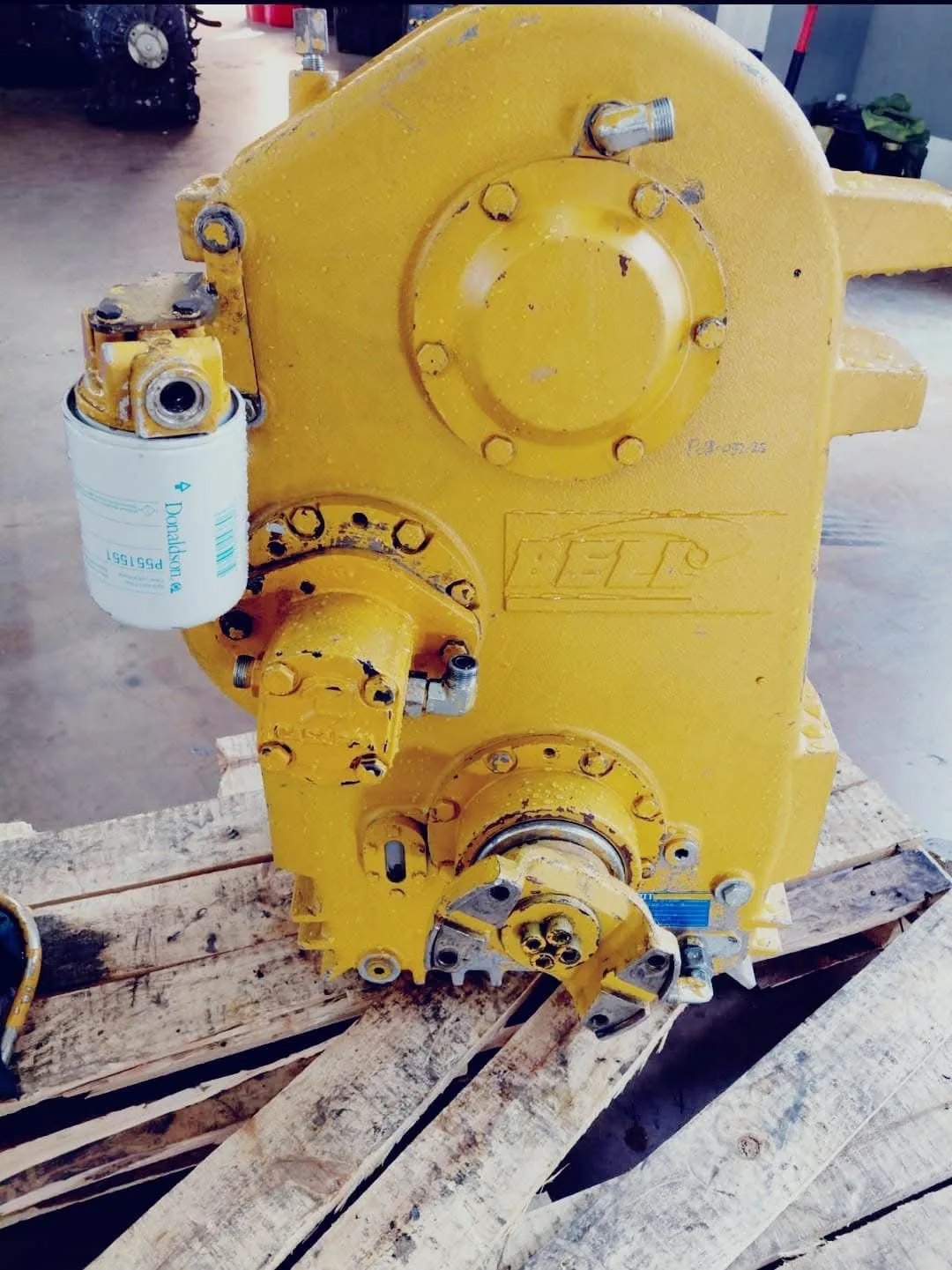
Planning component changes on evidence instead of on failure
Oil analysis moves component replacement from an emergency into a budget line. The mechanism is simpler than it sounds.
Unplanned failure costs several times what the same repair costs when it is planned — in emergency parts pricing, in recovery, and in the production that stops while it is all arranged. Oil analysis is the least expensive way to move that spend from unplanned to planned.
Trends, not single results
A single oil result tells you very little. Read in isolation, a slightly elevated iron figure could be anything. Read as the fourth rising result in a row on the same component, it is a bearing or a gear set telling you what it intends to do.
The discipline is therefore trending: sample at every service, on the same component, and plot the result. Wear metals, silicon and viscosity are the three that carry most of the signal.
What each one is telling you
- Wear metals — iron, copper, chrome, aluminium — point to which internal surface is deteriorating.
- Silicon usually means dirt ingress. That is a filtration or a seal problem, and it will destroy a component far faster than normal wear.
- Viscosity drifting off grade suggests fuel dilution, contamination, or oil that has simply been in service too long.
From a rising trend to a booked slot
A rising trend triggers a physical inspection. An inspection that confirms it books the unit into the workshop at a time that suits your production plan. Parts are ordered at normal lead times rather than at emergency rates, and the machine comes off when you can afford to lose it.
That is the whole mechanism. It is not complicated, and it does not require new technology. It requires sampling every time and actually reading the trend when the results come back.
Want this applied to your fleet?
Send us your machine list and we will show you what the planned version of your current maintenance spend actually looks like.
Breakdowns are answered 24 hours a day, every day of the year.