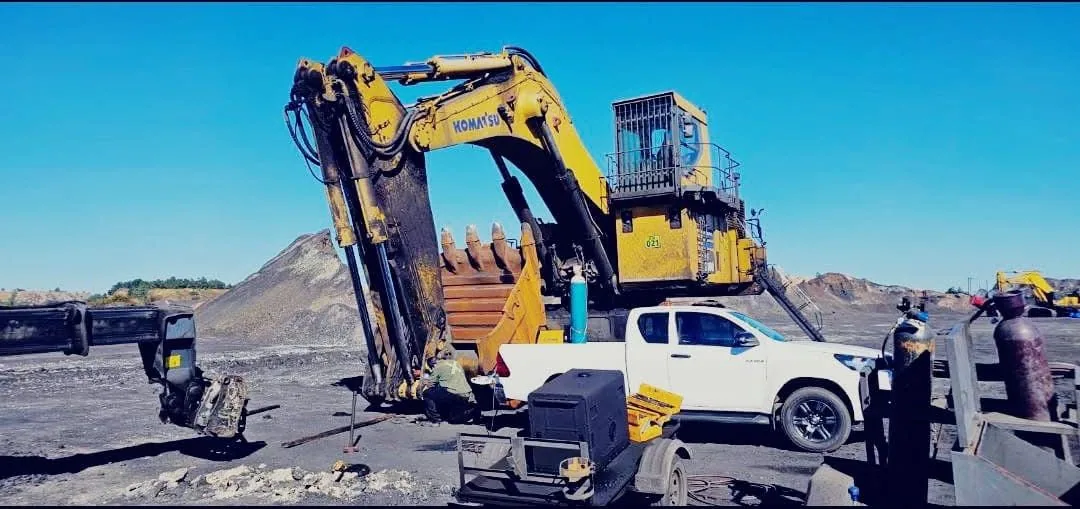
Machines do not fail during office hours
The breakdown line is answered every hour of every day. Field units carry what it takes to close most call-outs on the first visit.
The workshop keeps office hours. Breakdown dispatch does not — the emergency line is answered around the clock, every day of the year, including public holidays.
From the call to the written fault report
- 01
Call logged
MinutesMachine, fault symptoms, site, access requirements and site contact captured against a call reference.
- 02
Triage and dispatch
Within the hourTechnician and parts matched to the reported fault, and the unit is dispatched with an ETA confirmed to your site contact.
- 03
On-site diagnosis
On arrivalMachine isolated, fault confirmed by measurement, and the repair scope agreed with your supervisor before work starts.
- 04
Repair or recover
Same visitRepaired in the field where possible; where not, the component or machine is recovered to July Street on arranged transport.
- 05
Fault report
24 hoursWritten report issued covering root cause, work done, parts used and the recommended follow-up action.
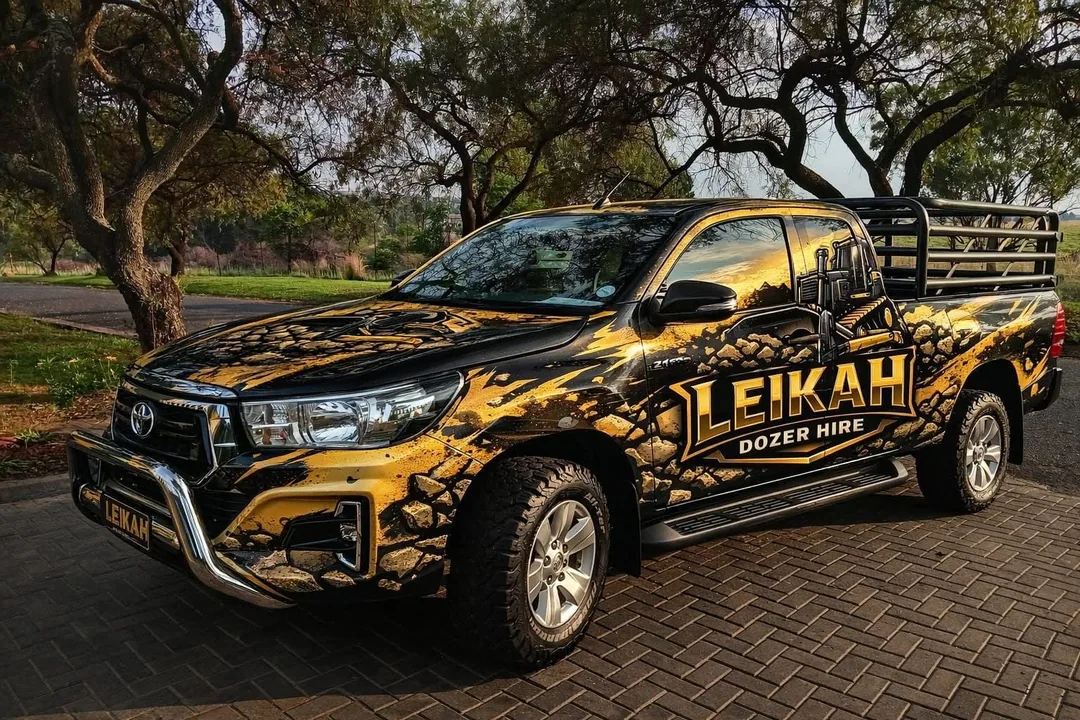
Equipped to finish the job on the first visit
Diagnostics
OEM fault codes, live data and parameter checks on a laptop at the machine.
Hose crimping
Hose stock, fittings and a crimper, so a burst line is measured, made and fitted on the spot.
Welding plant
Portable welding for field repair of structures, mountings and brackets.
Fluid transfer
Oil, coolant and fuel transfer with spill containment deployed before anything is opened.
Pressure testing
Gauges and flow meters, so the fault is measured rather than guessed at.
Common consumables
Filters, seals, belts and the fasteners that account for most call-outs.
Seven things that get a unit moving faster
None of it is essential — call first and we will work the rest out. But having it to hand is usually the difference between an hour and half a day.
- 01Machine make, model and fleet number
- 02What it was doing when it stopped
- 03Any fault codes or warning lamps showing
- 04Whether the machine can be moved, and to where
- 05Site name, access route and gate requirements
- 06Site contact and their number
- 07Induction or permit requirements for our crew