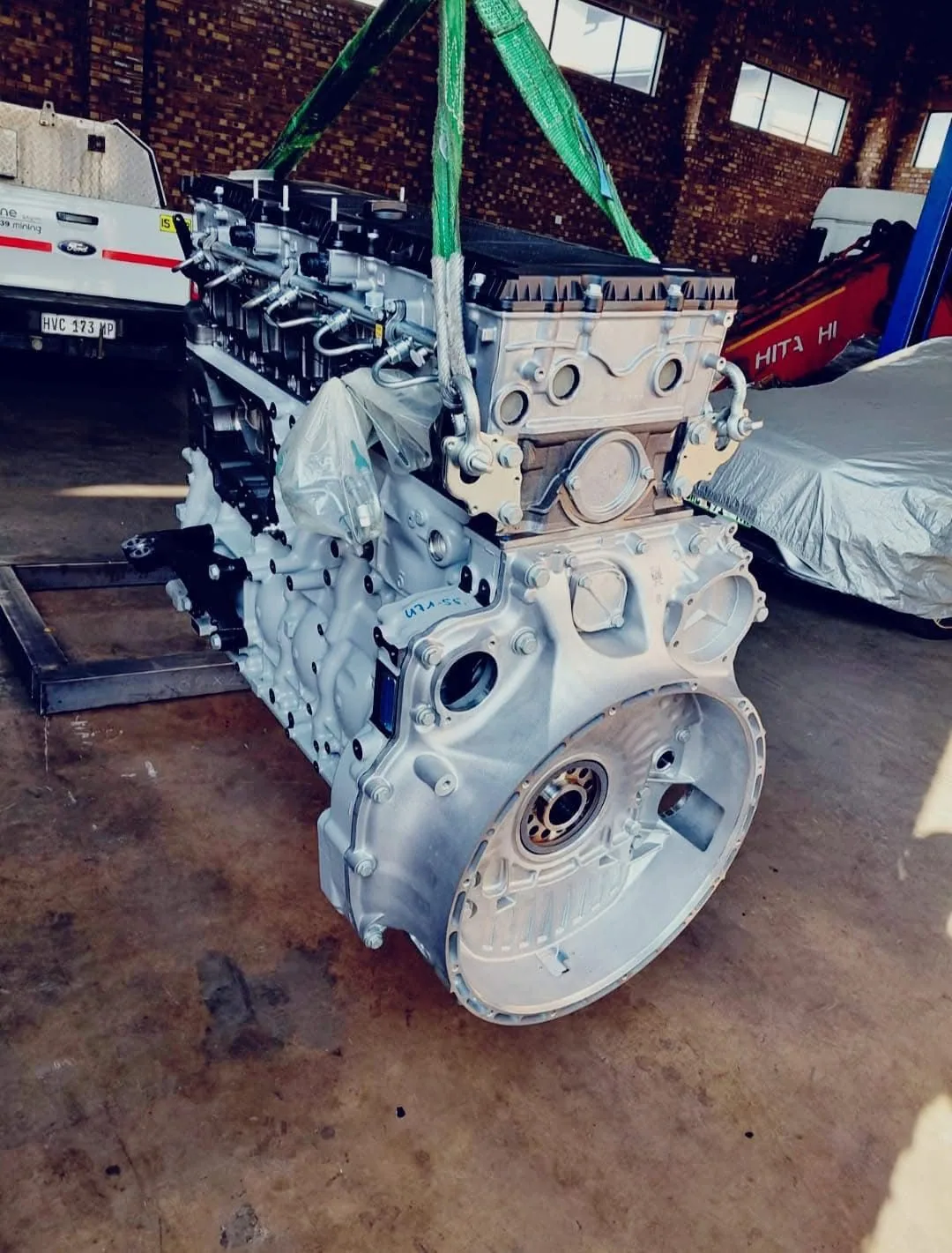
Keeping a heavy fleet in production, on evidence rather than on failure
Planned maintenance, component rebuilds and condition monitoring from a workshop that also runs its own fleet — so the schedule is written by people who know what downtime costs.
The argument for planning, in four figures your finance team already knows
Unplanned failure costs several times the planned repair
Emergency parts pricing, recovery, standing time and the production lost while it is all arranged — none of which appear when the same component is changed on a schedule.
Oil analysis buys you weeks of warning
Wear metals, silicon and viscosity trended per component show a bearing or gear set deteriorating long before it becomes a symptom on the machine.
Servicing planned around production, not into it
The service matrix is written against your production calendar, so machines come off during hours you can afford to lose them.
Component spend becomes a budget line
Replacement moves from unpredictable emergency spend to a forecastable item you can put in next quarter's budget with a date against it.
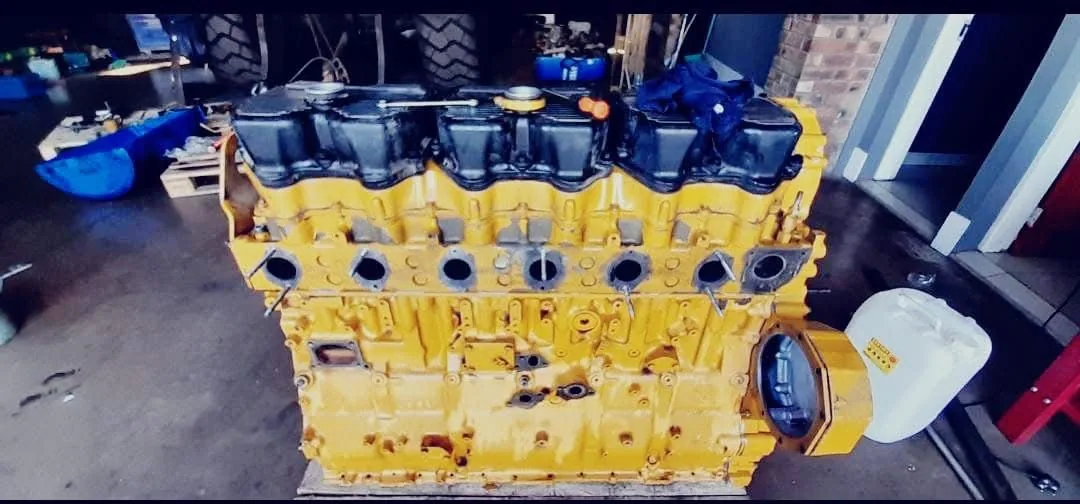
Quoted after the strip, never before it
Strip report
Measurements against OEM service limits, with photographs of every significant finding.
Parts schedule
Line by line, with OEM and approved-equivalent options priced separately.
Build sheet
Torque, clearance and end-float recorded and signed at every critical joint.
Run and test
Run, timed and load-checked in the workshop before it is released to site.
From fleet audit to a monthly review
- 01
Fleet audit
3–7 daysEvery machine is inspected and recorded — hours, condition, outstanding defects and current service position.
- 02
Service matrix and intervals
3–5 daysA matrix per machine sets service intervals, tasks, parts and consumables, agreed against your production calendar.
- 03
Scheduled execution
OngoingServices carried out on site or in the workshop to the hour meter, with job cards signed and defects logged.
- 04
Sampling and trending
Per intervalOil samples drawn each service, results trended per component, and exceedances escalated with a recommended action.
- 05
Monthly review
MonthlyAvailability, cost per hour, defect backlog and upcoming component changes reviewed with your planner every month.
Everything the workshop and the mobile units cover
Reporting your planner can drop straight into their own system
- Availability per machine
- Cost per operating hour
- Defect backlog and ageing
- Oil analysis trend per component
- Undercarriage and wear measurement
- Component changes due next period
- Services completed against plan
- Outstanding parts and lead times
Send us your fleet list
We will audit it, build a service matrix against your production calendar, and show you what the planned version of your current maintenance spend looks like.
Breakdowns are answered 24 hours a day, every day of the year.