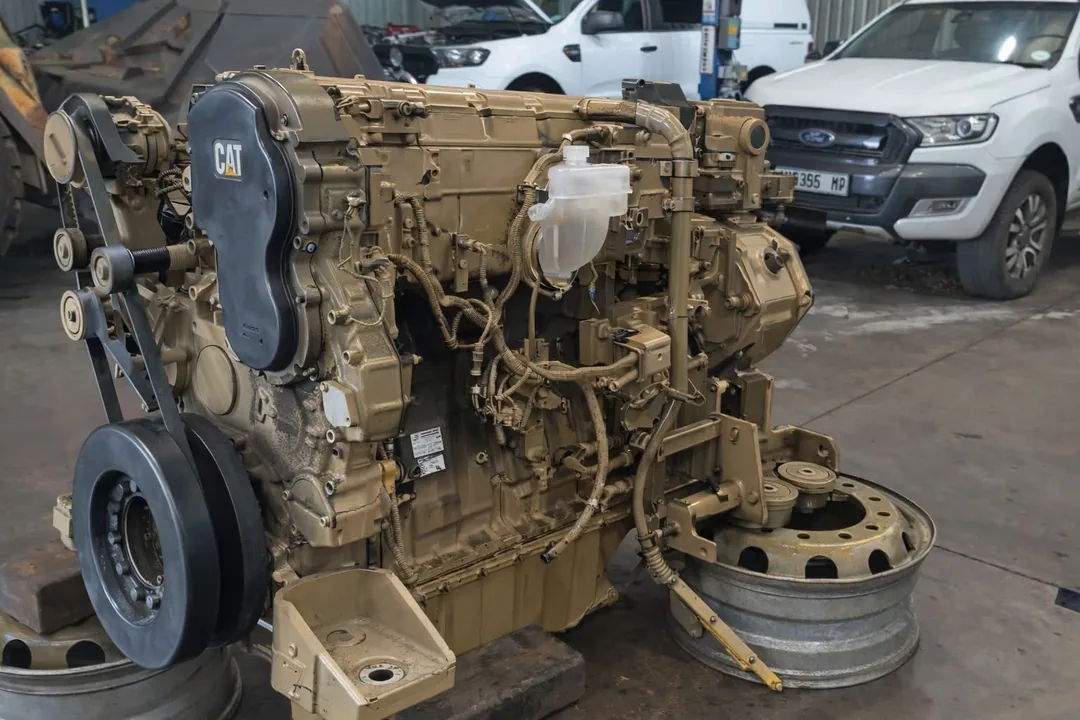
Planned Maintenance Contracts
Scheduled servicing, oil sampling and condition monitoring that catches failures while they are still a service, not a rebuild.
What the work involves
Unplanned failure costs several times what the same repair costs when it is planned. A planned maintenance contract puts servicing on the hour meter and inspection on a schedule, so components are changed on evidence rather than after they let go.
Oil sampling is the backbone. Wear metals, silicon and viscosity are trended per component, and a rising trend triggers an inspection long before a bearing surfaces in a filter. Undercarriage and wear-plate measurements are logged the same way, which turns replacement into a budgeted item.
Each contract carries a service matrix per machine, agreed intervals, an escalation path and a monthly report your maintenance planner can put straight into their own system.
- Division
- Heavy Mechanical
- Availability
- Contract, aligned to your production calendar
- Method steps
- 5
- Sectors served
- 6
- Base
- Middelburg
What this actually changes for your operation
Failures caught on trend
Oil analysis and wear measurement flag a developing failure while it is still a service item instead of a rebuild.
Budget you can forecast
Component replacement moves from unpredictable emergency spend to a scheduled line in next quarter's budget.
Availability that holds
Servicing planned around your production schedule keeps machines out of the workshop during the hours you need them.
Reporting your planner can use
Monthly reports come in a format that drops into your maintenance system rather than sitting in an inbox as a PDF.
How the work runs, step by step
- 01
Fleet audit
3–7 daysEvery machine is inspected and recorded — hours, condition, outstanding defects and current service position.
- 02
Service matrix and intervals
3–5 daysA matrix per machine sets service intervals, tasks, parts and consumables, agreed against your production calendar.
- 03
Scheduled execution
OngoingServices carried out on site or in the workshop to the hour meter, with job cards signed and defects logged.
- 04
Sampling and trending
Per intervalOil samples drawn each service, results trended per component, and exceedances escalated with a recommended action.
- 05
Monthly review
MonthlyAvailability, cost per hour, defect backlog and upcoming component changes reviewed with your planner every month.
What we bring to it
Mobile service units
On-site servicing with fluid transfer and waste capture
Oil sampling kits
Sealed sampling with laboratory turnaround and trending
Undercarriage gauges
Wear measurement for planned undercarriage replacement
Diagnostic laptops
OEM fault code retrieval and parameter checks
Thermal and vibration tools
Condition monitoring on rotating equipment
What is in place before work starts
Isolation and lock-out before any service task on a machine
Waste oil, filters and rags captured on site and disposed of through licensed contractors
Working-at-height controls for servicing on large plant decks
Fire suppression and extinguisher inspections included in every scheduled service
Where this service is used
What clients ask about this service
We audit your fleet, build a service matrix per machine against your production calendar, and execute services to the hour meter on site or in the workshop. Oil samples are drawn at each service and trended per component, so a developing failure is flagged while it is still a service item. You get a monthly report covering availability, cost per hour, defect backlog and upcoming component changes.
Usually bought alongside
Need planned maintenance contracts?
Send the scope, the machine or the volume. You will get a straight answer on whether we can do it, when, and what it costs.
Breakdowns are answered 24 hours a day, every day of the year.