Industrial & Heavy Engineering
Plants, smelters and heavy engineering sites where equipment availability is measured in production units.
Working in industrial & heavy engineering
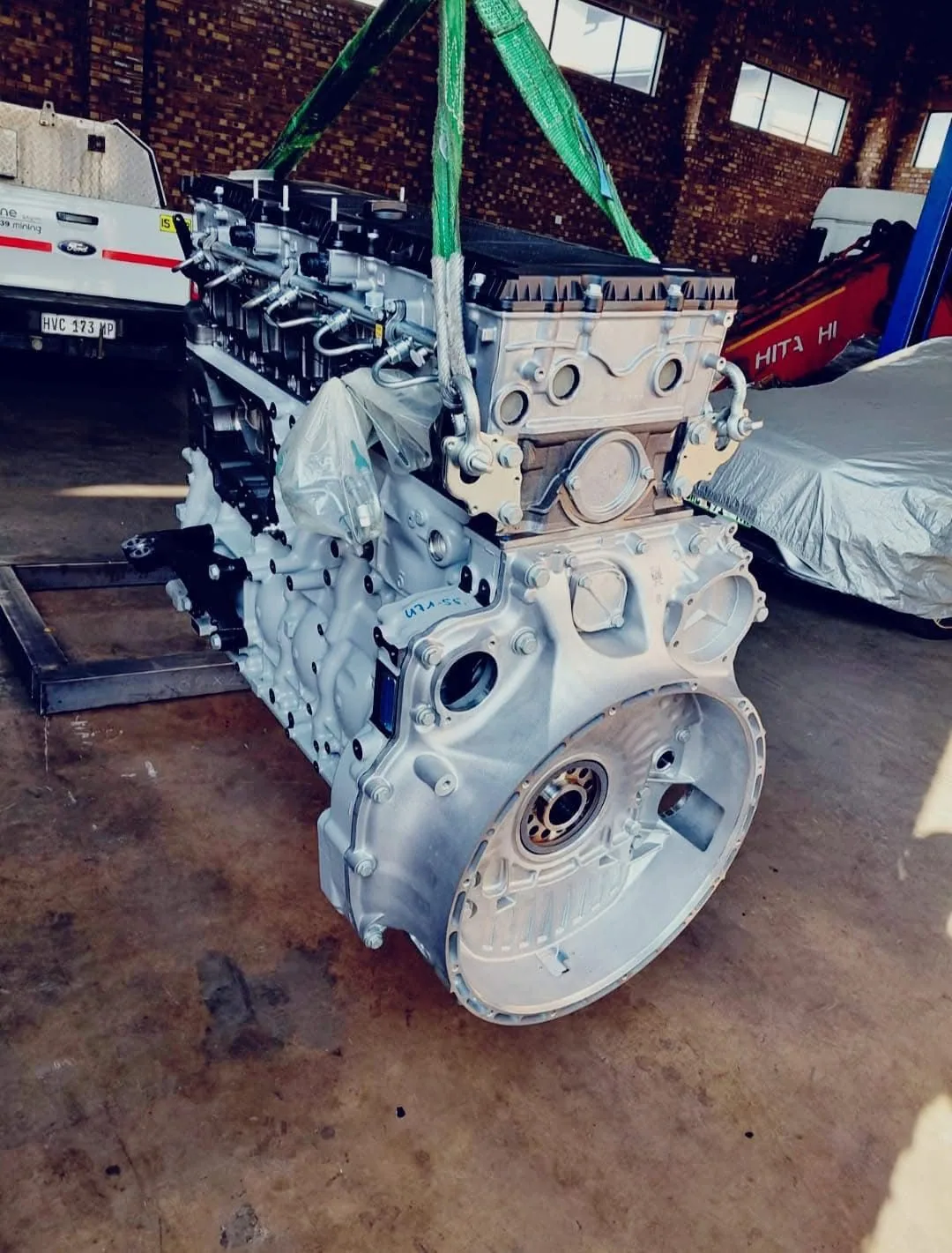
Industrial sites run their own maintenance teams and need a contractor who complements them rather than competes with them. That usually means the components they do not rebuild in-house — engines, transmissions, final drives, hydraulic assemblies — and the plant they need for a shutdown or an expansion.
Work is planned around the shutdown window. A component that misses the window is not late by a day, it is late by a whole cycle.
Documentation matters as much as the work. Build sheets, torque records and material certificates go into your asset file and stay there.
Compliance in this sector
- Occupational Health and Safety Act compliance and contractor packs
- Permit-to-work, hot work and confined space procedures observed
- Lifting equipment inspection certificates current
- Material and welding certification supplied with fabricated work
What actually costs money in this sector
Shutdown windows do not move
A rebuild that misses the window waits for the next one. Turnaround commitments have to be honoured to the day.
In-house teams need a complement, not competition
The value is in the specialised component work and the plant your own team does not carry, not in duplicating what they already do.
Asset records must be defensible
Build sheets, torque records and material certificates belong in your asset file, available when an insurer or auditor asks.
Services we run for industrial & heavy engineering
Tell us about your industrial & heavy engineering operation
Send the scope and the constraint you are working against. We will tell you which of our services answers it — and if none of them do, we will say so.
Breakdowns are answered 24 hours a day, every day of the year.