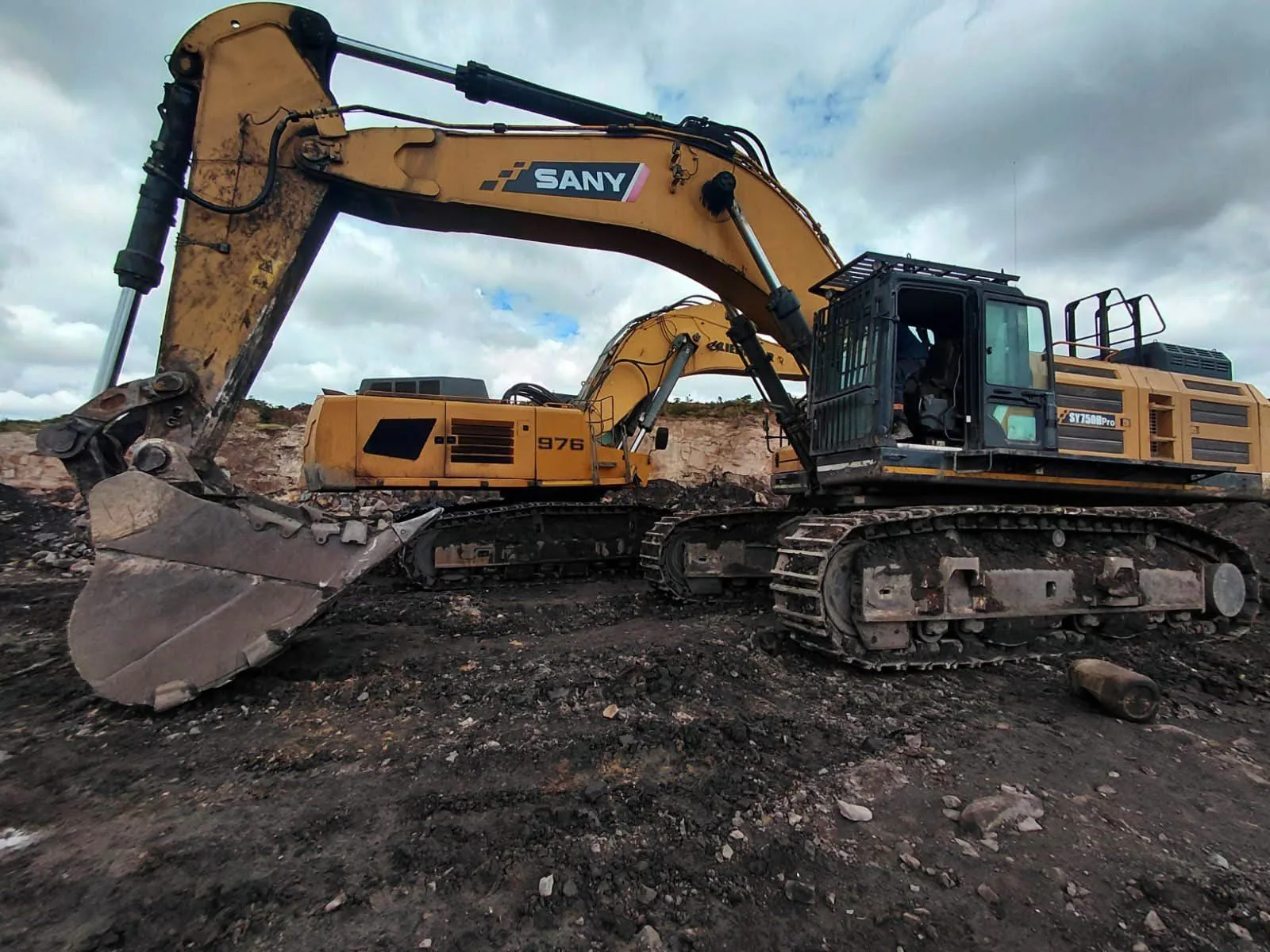
Bulk Excavation & Overburden Stripping
Opening and advancing the cut — topsoil, softs and hard overburden moved to plan, on volume and on schedule.
What the work involves
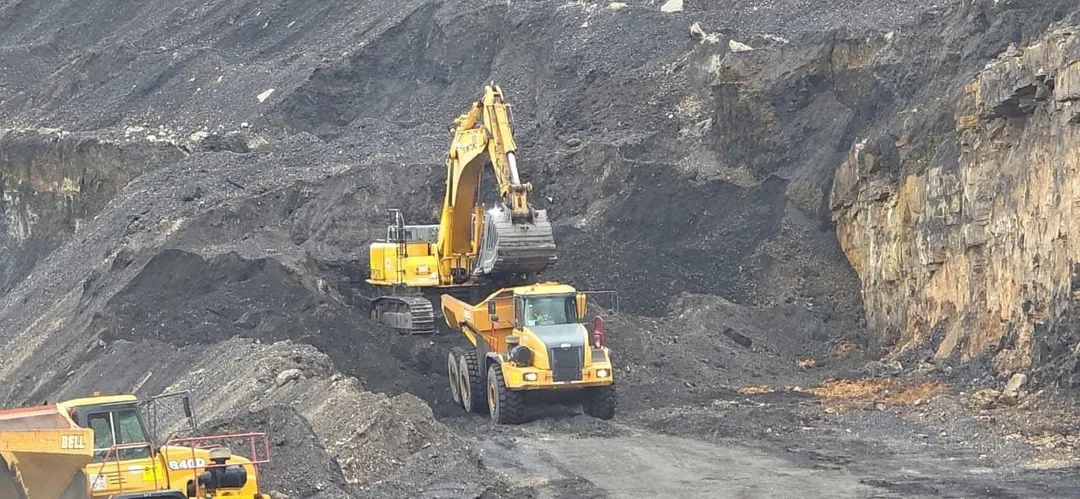
Bulk earthworks is where a mining plan becomes a working face. We strip topsoil to the depth the rehabilitation plan calls for and stockpile it separately, then take the softs and weathered material down to the coal or ore horizon in benches that the geotechnical parameters allow.
Production is measured, not estimated. Every fleet runs against a survey-set target, cycle times are logged per shift, and volumes are reconciled against the surveyor's month-end. When the plan changes — and on a live pit it always does — we re-sequence with the mine planner rather than pushing on to a stale target.
We work to the client's slope design and no further. Where the face is close to a highwall, a road or a servitude, the sequence goes through a documented change-control before a machine moves.
- Division
- Earthmoving & Plant Hire
- Availability
- Continuous production shifts, 7 days
- Method steps
- 5
- Sectors served
- 4
- Base
- Middelburg
What this actually changes for your operation
Volumes reconciled to survey
Monthly volumes are signed off against the client surveyor's pick-up, not against our own count. What you are invoiced for is what was moved.
Fleet matched to the cut
Excavator, hauler and dozer sizes are matched to haul distance and bench height so you are not paying for a fleet that spends the shift waiting.
Selective stripping protects rehab
Topsoil and subsoil are lifted and stockpiled separately, which keeps the closure liability where it should be and avoids a rehandle later.
Production reported daily
Shift volumes, machine hours, availability and standing time reach your production meeting the next morning in the format your team already uses.
How the work runs, step by step
- 01
Site walk and survey pick-up
1–2 daysWe walk the area with your surveyor and planner, agree the design surface, mark services and no-go zones, and lift a starting survey both parties sign.
- 02
Method statement and risk assessment
3–5 daysSequence, fleet, slope angles, edge protection and traffic management are written up and submitted for approval by mine SHE before mobilisation.
- 03
Mobilisation
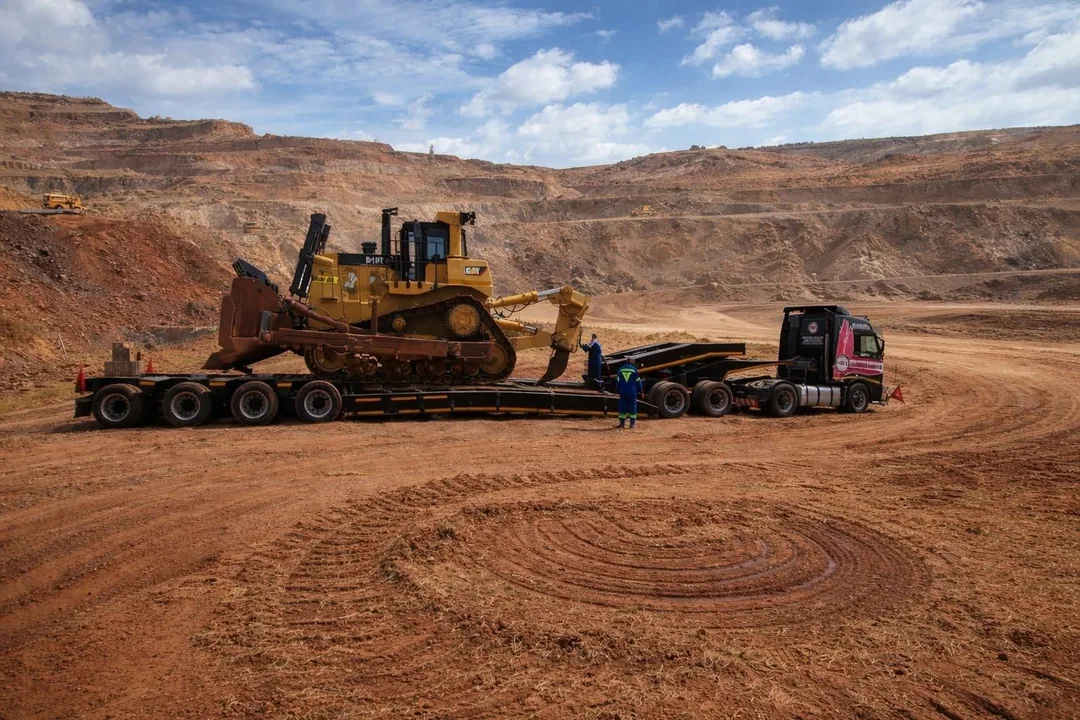
2–4 daysPlant is transported in on lowbed, inspected on arrival, and operators are inducted onto the site's rules before a machine turns a track.
- 04
Production
Per programmeBenches advance to the agreed sequence. Volumes, hours and availability are logged per shift and reported daily.
- 05
Survey close-out and handover
3–5 daysFinal surface is surveyed, reconciled against the design, and handed over with as-built data and the volume reconciliation pack.
What we bring to it
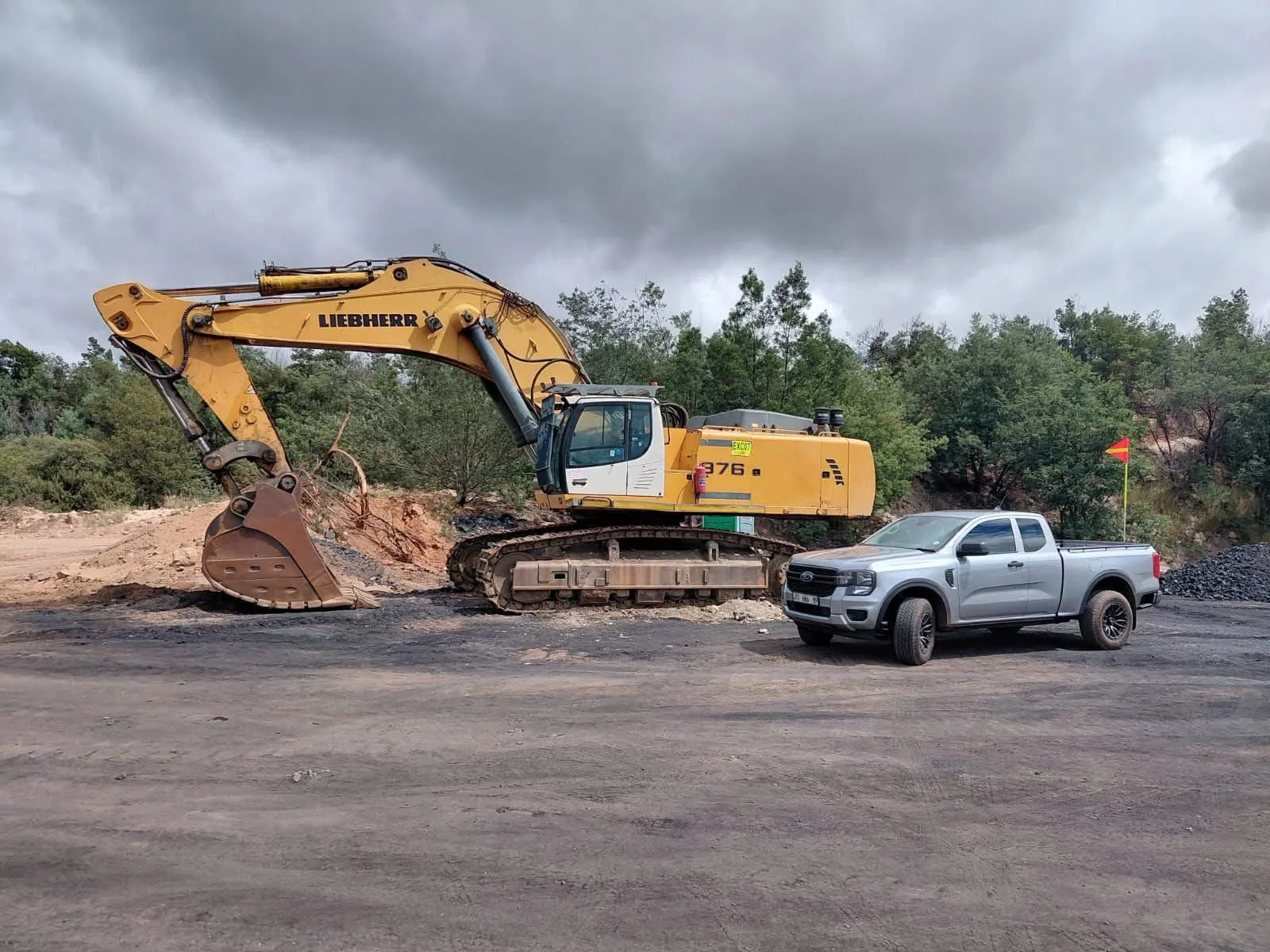
Tracked excavators
30 t to 75 t class for bench loading and bulk cut
Track-type tractors
D8 to D10 class for stripping, ripping and push
Articulated dump trucks
30 t to 40 t class matched to haul length
Motor graders
Bench and ramp trim, surface maintenance
Vibratory rollers
Compaction on ramps and platforms
What is in place before work starts
Edge protection and berms to the mine's standard before any machine works within a bench length of a crest
Traffic management plan and right-of-way rules agreed with the mine before mobilisation
Daily pre-start inspections logged per machine, defects locked out until repaired
Spotters and exclusion zones wherever plant works near people, services or structures
Slope monitoring parameters observed; work stops on any deviation and resumes only on geotech clearance
Where this service is used
Usually bought alongside
Need bulk excavation & overburden stripping?
Send the scope, the machine or the volume. You will get a straight answer on whether we can do it, when, and what it costs.
Breakdowns are answered 24 hours a day, every day of the year.